
















The federal government experienced a shutdown, but Lakewood remained active and resilient. On Oct. 1, 2025, the government shutdown began and lasted 43 days, ending on Nov. 12, 2025, making it the longest government shutdown in history. Lakewood residents faced uncertainty over their paychecks, benefits, and basic needs. While the government was working on a budget dispute over federal spending priorities and border security funding, the City of Lakewood and its Human Services Department stepped in. Building programs and support systems to ensure everyone in the community makes it through the shutdown.
Impact and Responses
The shutdown affected Lakewood residents more than expected. Some federal workers living in the city went weeks without paychecks, forcing families to cut back on expenses or seek short-term assistance from Lakewood Human Services and the city.
SNAP, the Supplemental Nutrition Assistance Program, is a federal program that helps low-income families by providing food cards every month. The program provides eligible households with an electronic benefit transfer (EBT) that can be used at most grocery stores. The program has a goal of reducing food insecurity and attempts to ensure access to nutritious meals. For many families, seniors and low-income families, SNAP is crucial to help meet needs, and this assistance was delayed.
During the shutdown, “We worked closely with Mayor George to put together a plan that helped meet the needs of our community,” said Assistant Director of Lakewood’s Human Services, Laura Jaissle. The City of Lakewood has found a variety of ways to assist those who need, including a SNAP relief program, which includes:
Community Partnerships and Volunteer Efforts
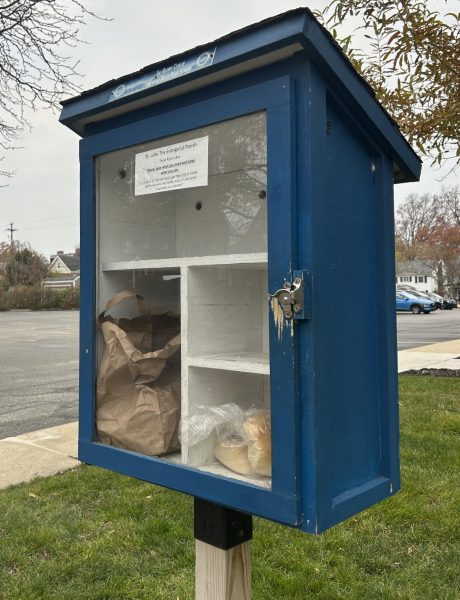
Lakewood’s response to the shutdown was not just run by officials; local organizations and volunteers helped provide support to those in need. Food banks, including the Lakewood Community Services Center and the Lakewood Rotary Club’s Little Free Pantry, have stepped up during the shutdown.
Lakewood’s response to the shutdown was not run solely by city officials; local organizations and volunteers also helped provide support to those in need. Food banks, including the Lakewood Community Services Center and the Lakewood Rotary Club’s Little Free Pantry, stepped up during the shutdown.
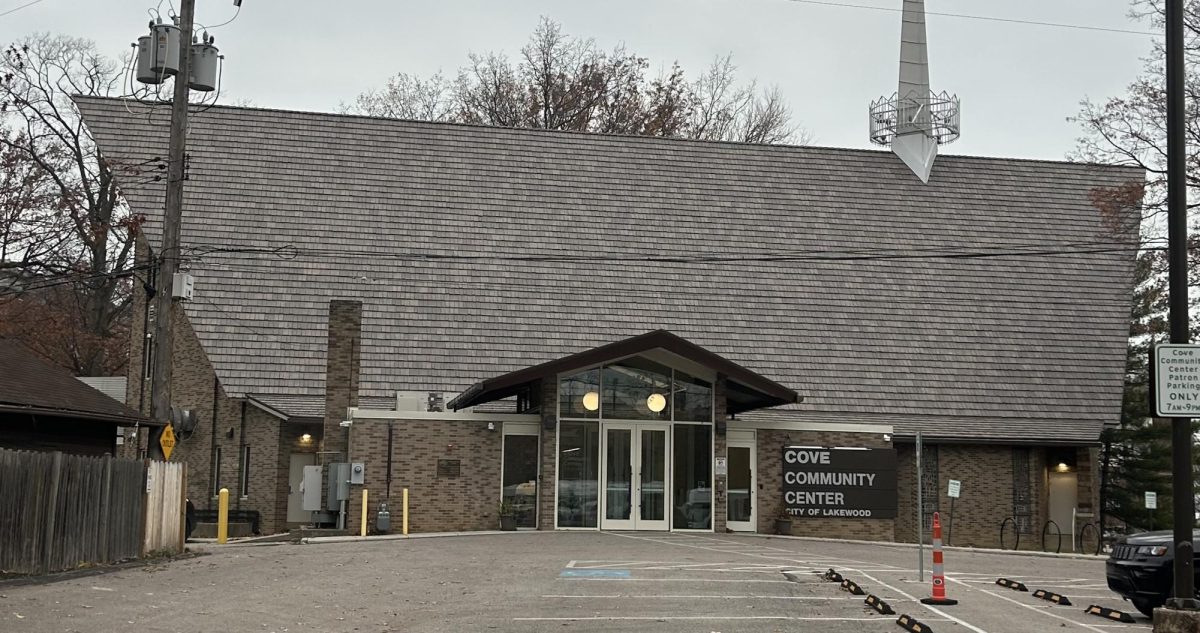
Volunteers were crucial to these efforts, helping at distribution events, assisting residents through the Cove Community Center and helping deliver food to those who needed it most. The volunteer’s work helped the city and its partners to reach more people, faster.
“Helping the community during this shutdown helped remind me how strong the community of Lakewood is. Even things that seem small as handing out groceries or delivering food can make a big difference,” said local volunteer Marina Barnfield.
Thanks to the combination of efforts, many Lakewood residents received quick assistance during the shutdown, demonstrating how the city came together.
Looking Ahead
Although the government shutdown has ended, the effects of it reminded Lakewood, its partners and other communities of the importance of staying prepared for everything. Lakewood Human Services and other groups plan to continue strengthening programs to ensure that residents can access them in case of future emergencies. Programs like SNAP relief, community meals and the Little Free Pantry initiative may be expanded or adapted to better serve the community.
“I plan to keep volunteering because I know how it feels to be in a situation some of these people are in, and it makes me feel good knowing I’m helping strengthen the community,” said volunteer Julian Carter.
The shutdown tested Lakewood’s resistance, and the community met the challenge with compassion and collaboration. City officials, partner organizations and volunteers worked together to support residents in need. Lakewood will continue to strengthen its program and relationships to prepare for future crises. This unity keeps Lakewood strong.