






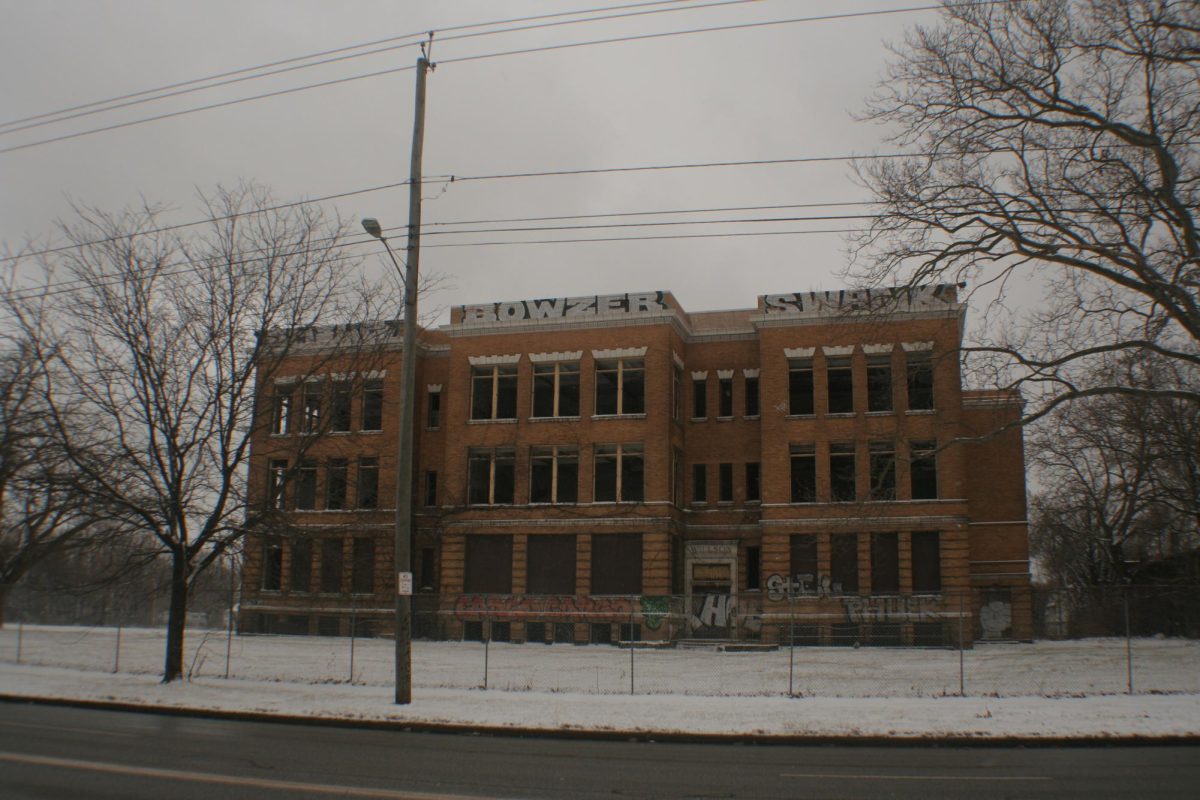

Lakewood High School has existed since 1885, producing generations of graduating classes over its 141-year history. Among the school’s most unusual and controversial programs was a little-known experimental class called Group 30.
During the early 1970s, an alternative education class was created by Walter Hopkins and Jim Burton to prevent high schoolers from dropping or flunking out of high school, named “Group 30” because the class consisted of 30 students.
“We were trying to get these kids through school,” said Honkins, one of the former Group 30 teachers. “They didn’t want to be there because of the way they were treated, and we were going to treat them differently, so that they could graduate, and so we offered various ways they could go about learning something.”
The idea behind the class was that struggling students could create their own curriculum. The work counted for both English and social studies credit, and projects could focus on nearly any topic connected to those subjects.
“It was as far away from standard, you know, education of the day, maybe even today, as it could be … we each had our own projects,” former Group 30 alum Scott MacGregor said. “The idea of the class was to get kids intrigued in school again and to get them to show up to their classes so they can graduate.”
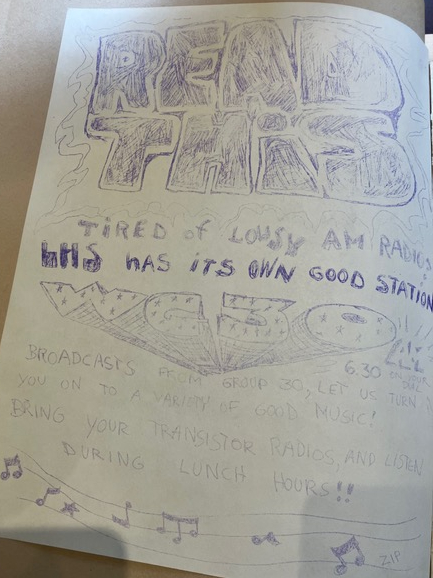
Students in the program worked on a variety of independent projects, including a student newspaper and a low-frequency radio station.
“Most people don’t realize this, but the radio station broadcast could normally go throughout Lakewood,” former Group 30 student Jim O’Bryan said. “But when we plugged in the stronger school antenna, we could go as far as Berea. Nobody knew that.”
Beyond the larger projects, students were often encouraged simply to complete something meaningful.
“I once got one girl through high school to graduate with a project in which she created a knit quilt,” Hopkins said. “I had just challenged her to do one simple thing and finish it. That’s what she did.”
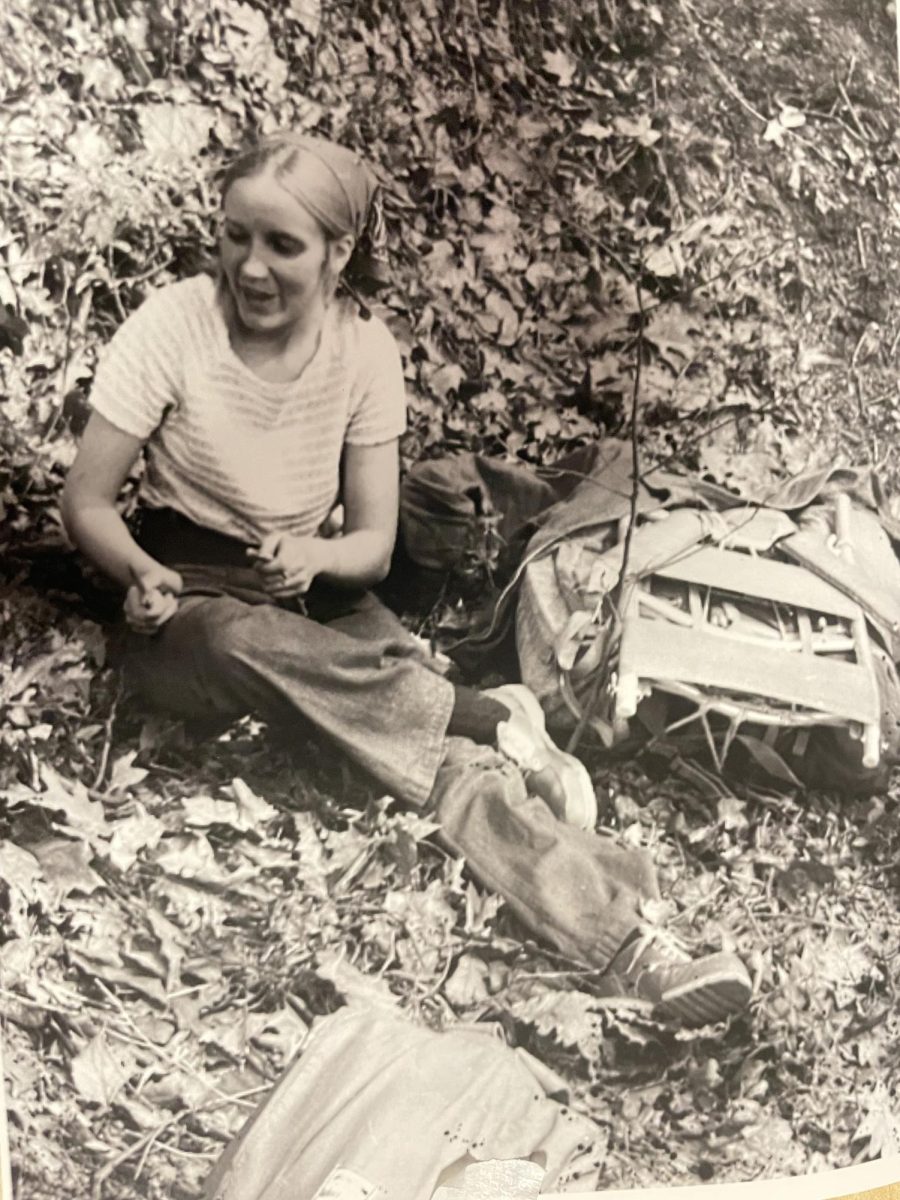
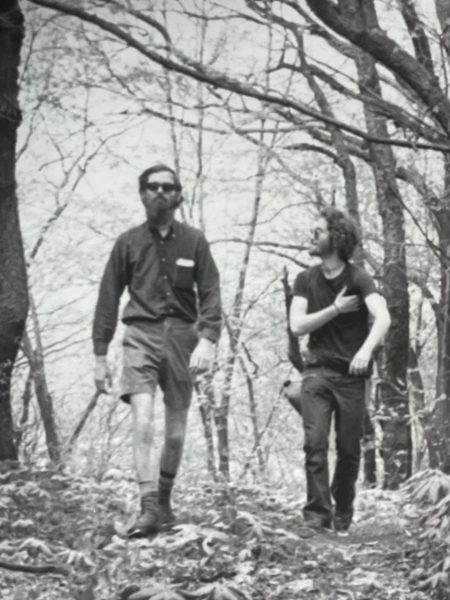
One of the most memorable experiences for Group 30 members was a weeklong backpacking trip through the Allegheny Mountains in Pennsylvania.
Hopkins, an avid backpacker and ranger at the time, organized the trip. Students later described the experience as life-changing, saying it brought the group closer together and created a family-like bond.
During the trip, some students caused trouble that placed Hopkins’ job at risk.
“I discovered that at least some of them were breaking all those rules, and most of them were breaking at least one, so I just called around the campfire and said, ‘look, if this goes on, I’m gonna get fired,’ and so we talked about all that,” Hopkins said. “They never had a teacher before saying to them, ‘Look, you’re putting me at risk here … it transformed that group. They talked about being a family.’”
The hiking trip was only one of several experiences that united the students beyond the classroom.
Despite the close-knit environment, the Group 30 program lasted only three years. During its existence, both students and teachers involved with the class were often viewed negatively by others in the school community.
Many students believed Group 30 was simply a free period where unmotivated students could earn credits without completing rigorous coursework. According to Hopkins, some teachers shared similar opinions because they did not fully understand the purpose of the program.
“We were all treated as rejects. I was, I was a teacher who wanted to get rid of grades,” Hopkins said. “And the kids were treated the same way, because they were, they, the other students thought these kids had an easy ride to kind of sail through, because ‘they didn’t have to do anything real,’ they just did group 30 stuff.”
Hopkins and Burton fought to preserve the program and spoke at a faculty meeting to explain its purpose. Despite their efforts, the school shut down Group 30, and students returned to traditional classes.
Although many viewed Group 30 students as rebellious or unconventional, several alumni later went on to successful careers. Multiple former students helped create and operate the Lakewood Observer, a local community newspaper.
“I worked for BP as a photographer for 17 years,” O’Bryan said. “I ran a race car team here in the States and over in Europe and Japan for 10 years. When I retired from BP, I was talked into starting the paper (The Lakewood Observer). At one point we had 14 observers going, all based on the same process as the Lakewood Observer.”
After the program ended, Group 30 largely faded from memory. Still, many former students credit the class with changing the direction of their lives.
“The big thing I learned was, it’s (everything) easy to start, but to finish it. That was a big lesson learned. It took me a long time in life to understand how to always finish what I started, but that concept started in Group 30,” MacGregor said. “I mean, we had never been in a situation where I had to come up with our own curriculum, and there was a certain responsibility there.”