















The Marvel Cinematic Universe is one of the largest collections of films and television shows ever made. While occasionally experimenting with genre and storytelling, the MCU has mostly stuck to action-adventure films and superhero stories. Marvel Studios’ most recent series, “Wonder Man,” created by Destin Daniel Cretton and Andrew Guest, finally breaks free of the Marvel mold and tries something new.
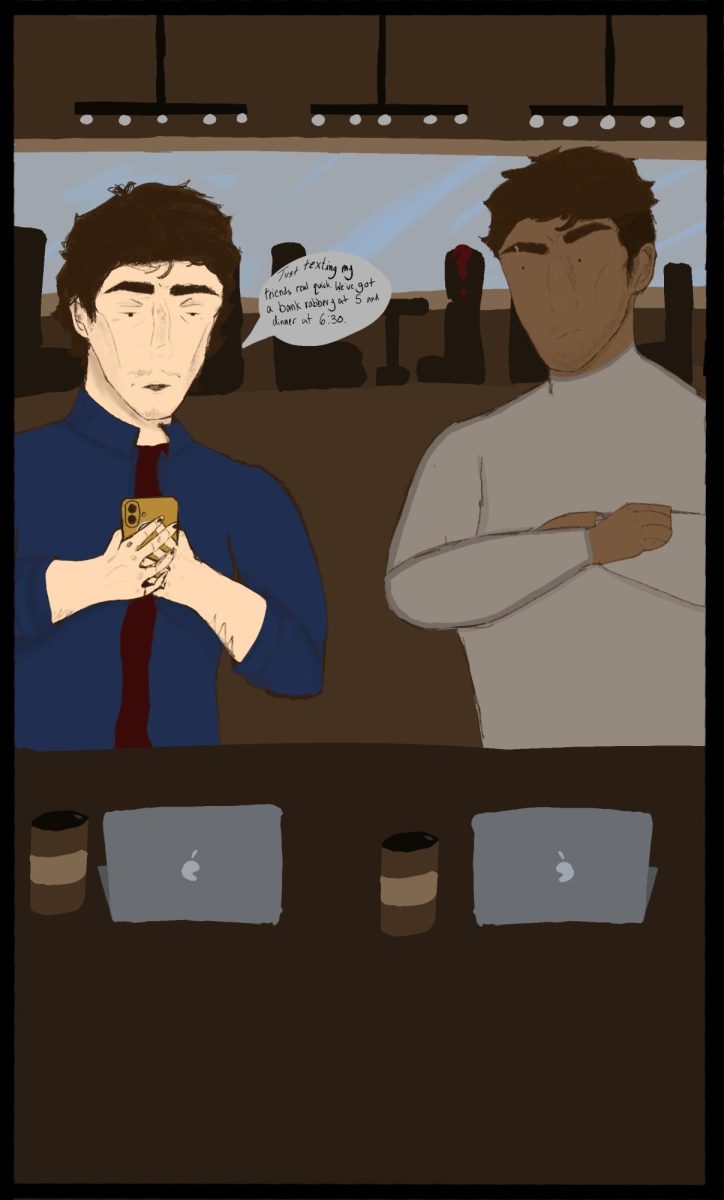
“Wonder Man” follows the story of two actors, Trevor Slattery and Simon Williams — one man nearing the end of his career and one who has just begun — as they get the opportunity to star in Simon’s dream project, a reboot of his favorite childhood film, “Wonder Man.” However, Simon’s secret superhuman abilities threaten to derail his dreams.
“Wonder Man” not only tells a compelling story about two men who share a passion for acting but also expands the Marvel Cinematic Universe in ways the average superhero movie cannot. It explores themes of bigotry toward people with superpowers, who are no longer allowed to work in Hollywood after an incident involving a super-powered actor on a film set.
Against this backdrop, Simon and Trevor’s blossoming friendship is the highlight of the show. Their characteristics and shared passions complement each other in ways that make the twist of Trevor’s betrayal so much more devastating, while their inevitable reunion carries so much more emotional weight.
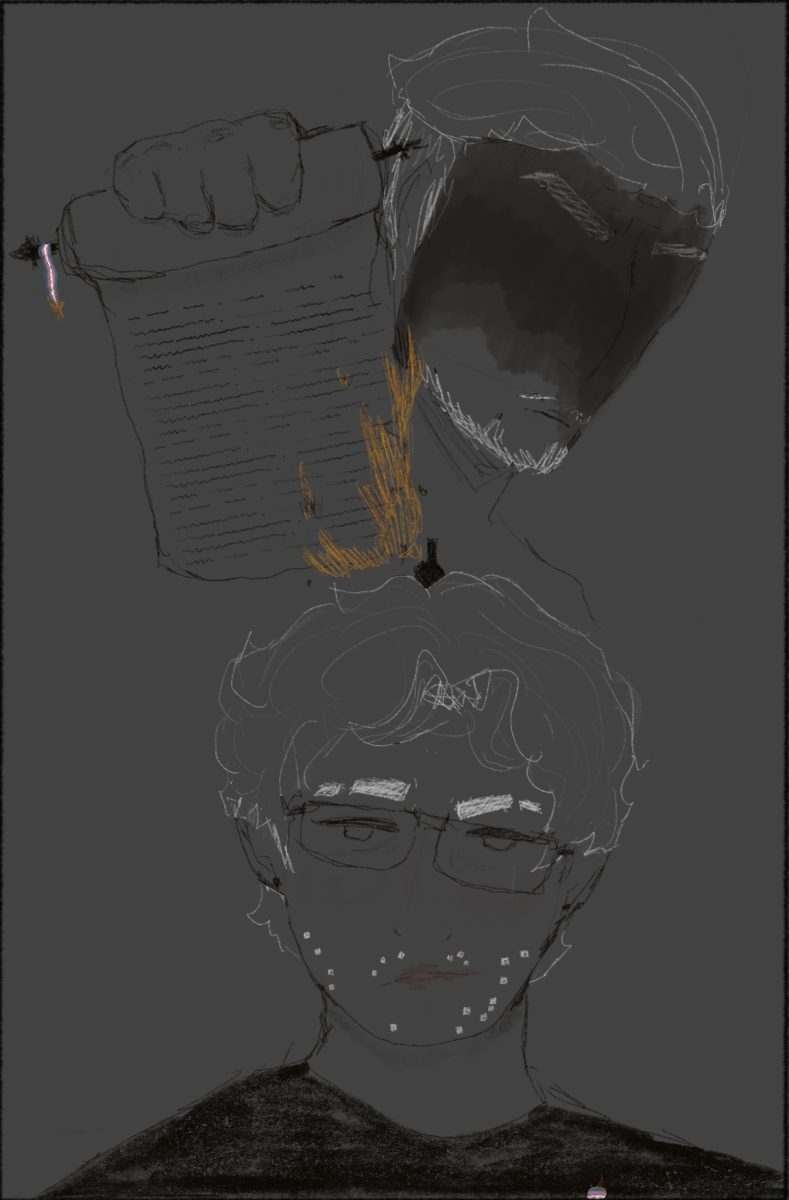
At first glance, “Wonder Man” appears to be a typical superhero origin story, but that couldn’t be further from the truth. By the end of the finale, Simon Williams has not adopted a superhuman alter ego; he is not Wonder Man. He remains Simon Williams, but with a new outlook. Williams finishes the series a changed man, someone who can accept his abilities and see them as a blessing rather than a curse to hide. He starts the series stubborn, fearful and ashamed of his true self. By the end, he has come to terms with the fact that his life will never be ordinary. That’s what makes the series so remarkable: There is no big CGI villain for Williams to defeat. Instead, he overcomes the part of himself that prevented him from embracing who he truly is.
One of the biggest qualities that sets “Wonder Man” apart from the average Marvel Cinematic Universe project is the absence of action. The episodes are structured more like a typical sitcom or drama. Characters are occasionally sent on whimsical adventures, but even these subplots usually lack the amount of action expected from an MCU project. This makes the series feel like a breath of fresh air compared to other Marvel shows and broadens its appeal beyond those who typically enjoy action-packed MCU productions.
The series does a great job of revealing information as the viewer needs to know it, often placing scenes out of order and skillfully using flashbacks to ensure viewers never know more than they should at any given time, while remaining always up to date on essential details.
“Wonder Man” is both a love letter to acting and a dissection of the film industry. The viewer follows Simon through the highs and lows — the creative disagreements, the stress of auditions, and the anxiety of waiting afterward — as well as the ecstasy of getting a callback for a dream role and the bond between two actors sharing their passion for the craft and love of film. The series shows that acting is more than a job; it’s a calling. The stories they bring to life build connections and teach lessons that last a lifetime.
“Wonder Man” brings a new kind of storytelling to the MCU franchise, building a beautiful connection between the most unlikely of friends while delivering one of the most devastating betrayals. Unlike any MCU project before it, the series ignores the typical hero-versus-villain formula and forgoes traditional action-packed episodes. It allows the quiet, vulnerable, human moments to sit, and becomes a remarkable story about a man pursuing his passion despite a world telling him he cannot.