





A Bond Within Itself
The Special Olympics gives students with intellectual and developmental disabilities the opportunity to play organized sports, build friendships, and to get familiar with people throughout the season.
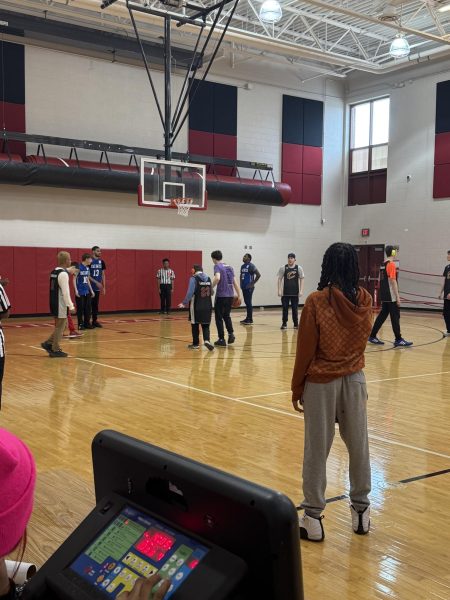
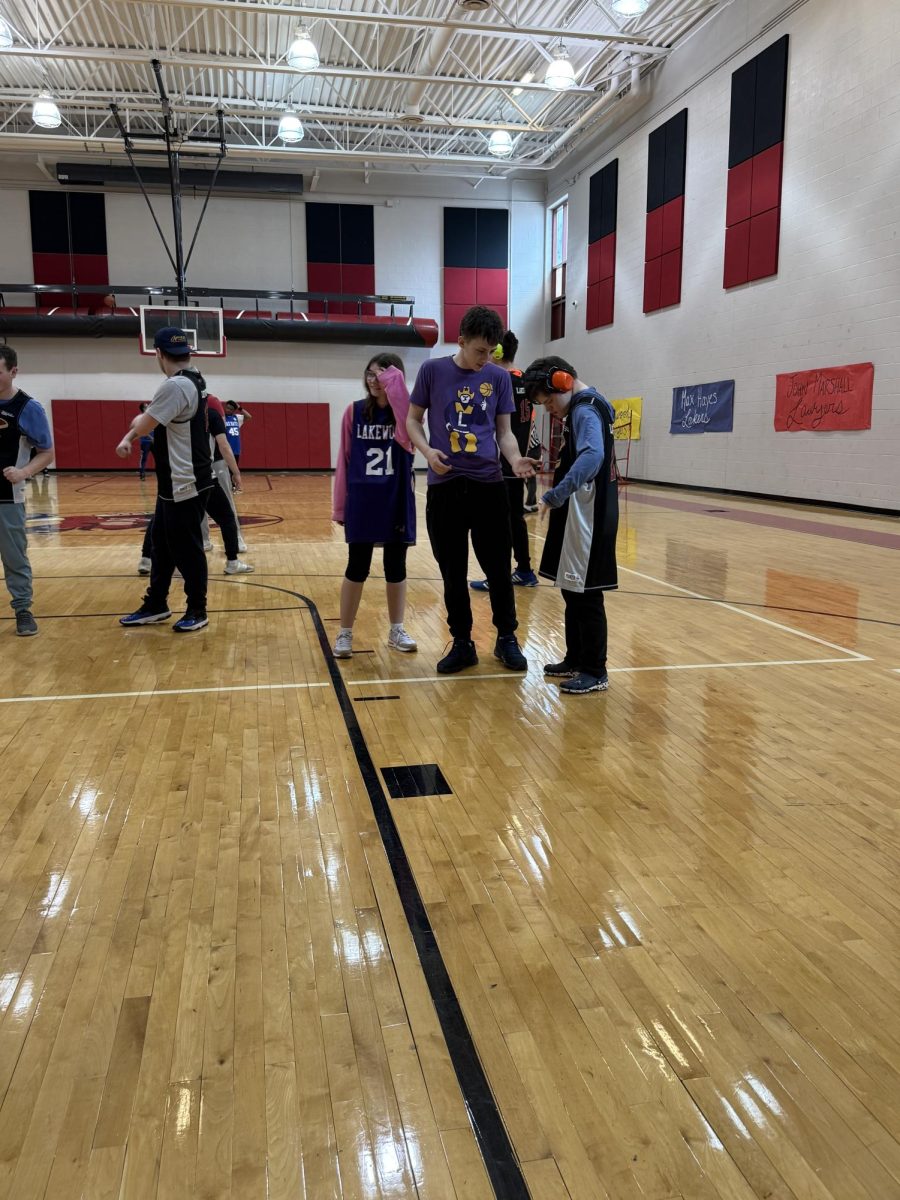
On Friday, February 20th, the Special Olympics basketball game took place at John Marshall High School, hosting 5 different teams, including Lakewood, John Marshall, Max Hayes, Lincoln West, and Garrett Morgan.
While sports vary throughout the year — including basketball, bowling, and track — the structure remains the same. The main goal is to support the athletes and help them feel included, while scores are mainly used to maintain the competitive element.
“It’s not about being good at a sport; it’s about being good with people,” said Katie Spies, a Special Olympics advisor. “It’s about making sure that this experience is wonderful for every single person involved.”
Getting Used to the Environment
The program follows a similar setup each season. Coaches tell athletes where to go and what comes next. For example, each basketball game has two ten-minute halves with substitutions to the lineup after the five-minute mark is reached.
Because the schedule stays consistent, athletes usually get more comfortable after a few sessions. New athletes usually watch at first and then gradually take part once they understand the routine.
“The environment at the Special Olympics basketball was different from what I thought,” said volunteer Luke Legato. “It was louder, and everyone seemed together, and it was overall a great time.”
Volunteers help the games run smoothly by reminding one another of whose turn it is or where they should be. Instead of depending only on instructions, they start paying attention to one another, which builds both chemistry and security. Parents say having a routine helps, too. Even when athletes know what to expect, they feel less doubt and are eager to compete and try new things.
Seeing the Same People
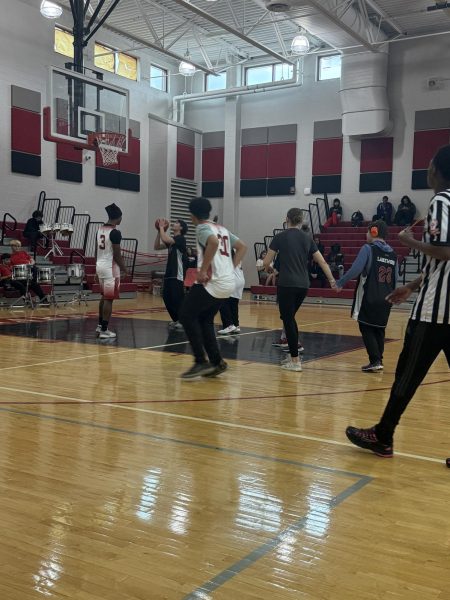
The social aspect is a cornerstone of the program. Athletes talk before and after events and watch each other compete. When you see the same group often enough, conversations come more easily. People remember names, ask about previous events, and notice improvements in one another.
Volunteers and community members show up regularly. After a few events, people are more comfortable and less timid around each other, showing great bonds of friendship. Some volunteers come back specifically because they recognize the athletes and want to continue to build them up.
Tyler Laidley, a volunteer at the event, said, “The experience was something valuable to me because I got to interact with new people, and this interaction made me feel a sense of helping in my community.”
Because everyone shares the same space without being separated into groups, interactions happen naturally rather than feeling forced.
Small Changes Over Time
Families sometimes notice changes that aren’t directly related to the sport itself. Athletes may speak up more or seem more comfortable around others. These changes usually happen gradually, not all at once. Someone who once waited quietly may begin asking questions or encouraging teammates.
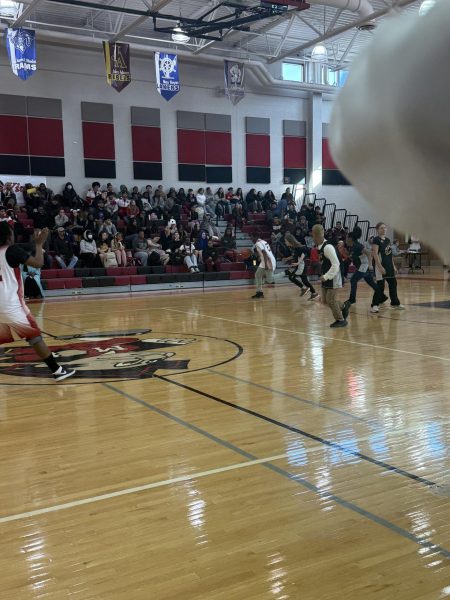
Success isn’t always about performance. Sometimes it’s simply remembering what to do, waiting for a turn, or talking to a teammate without being prompted. Those moments matter just as much, especially for athletes who were hesitant at the start.
Over time, athletes tend to handle more on their own simply because they’ve experienced it repeatedly. They know where to go, when to line up, and what happens next. That familiarity builds confidence in a way that doesn’t always show up on a scoreboard.
Part of the School, Part of a Whole
The program works because many people contribute. Volunteers keep things organized, schools provide the space, and families make sure athletes can attend. Since events happen regularly, people continue coming back and recognizing each other.
For community members, it becomes a familiar activity to attend or help with, rather than a one-time event. For athletes, it means being seen and included in a public setting where others notice their efforts. Over time, the program becomes part of the local routine. It’s common for people to plan around it or expect to see the same faces again.
“It’s not just go to class, learn and leave,” Spies said, “It’s a lot of being part of clubs, being a part of extracurriculars, and participating in sports.”
Why People Stay Involved
The Lakewood Special Olympics is about more than competition. It gives athletes a place they know and people they expect to see. That consistency ends up being what matters most. After a few seasons, people aren’t returning only for the sport, but for everything else that plays a role in it. That comfort becomes part of the reason they keep coming back.