




With its various forms, literature has always been a way for humans to express themselves. From personal narratives and poetry to myths and fairy tales, literature reflects the values and real emotions of humans. Through characters, settings and conflict, stories are an outlet for writers to provide different perspectives on the world.
Specifically in non-fiction writing, writers are encouraged to write real and present experiences or events. Non-fiction extends beyond imagination, allowing readers to be informed and educated on topics of interest.
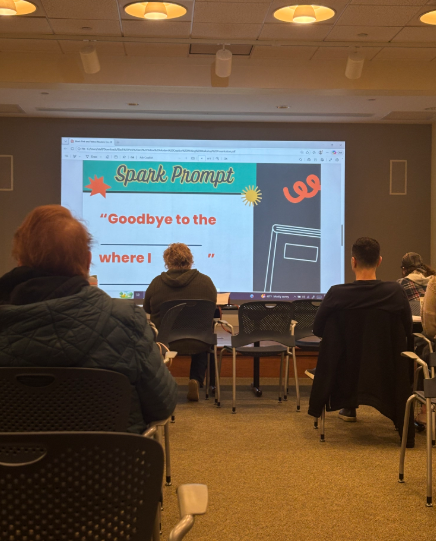
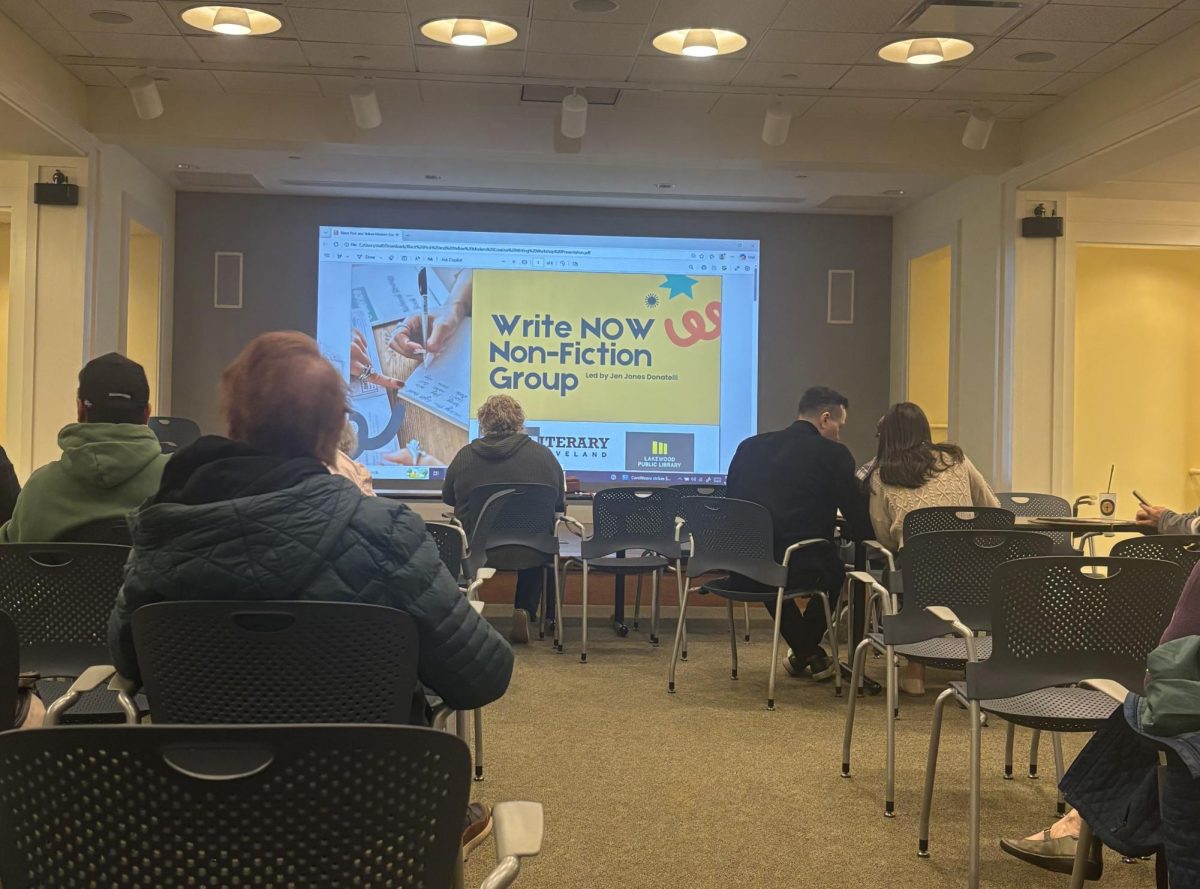
That’s where Literary Cleveland (LitCleveland) comes in. In partnership with Lakewood Public Library, LitCleveland offers “Write NOW,” a program for anyone interested in getting out and writing. Their non-fiction group meets on the second Saturday of each month, hosted by Jen Jones Donatelli. Write NOW also offers workshops in poetry and fiction.
“I think the important parts of our mission at Literary Cleveland — in developing writers — and trying to provide opportunities for writers to grow and learn, is to make those opportunities as accessible as possible. To make them what they are, we think about diversity,” says Michelle Smith, Literary Cleveland programming director.
Alongside Lakewood Public Library, Literary Cleveland partners with other libraries in the Northeast Ohio area to foster their literary communities. Pairing with the Cleveland Public Library, the Cleveland Heights Library system, the University Heights Library system and notably the Lakewood Public Library. Their goal is to increase the number of writers with diverse skills and backgrounds as much as possible in the art of literature.
The non-fiction group at Lakewood Public Library meets for six months to work on its skills. Participants are encouraged to bring pieces of literature they may be getting ready to publish or pieces they enjoy.
Donatelli begins her classes with free-style journaling to clear attendees’ minds and pave the way for creativity. The class then moves into a “spark prompt” where writers are given several minutes to find an experience to apply to the prompt. The group allows for heavy discussion and feedback, as well as readings of non-fiction stories.
Donatelli heavily emphasizes the fact that the space is a “non-disclaimer” zone. It’s a way for writers to feel more confident and comfortable when it comes to speaking out and sharing their writing.
“Non-fiction empowers people to share their stories through essays, memoir writings, or even posting on social media,” Donatelli says. “There are lots of different ways to share your story, but nonfiction is a great way to share your living experience in a great way.”
With this being Donatelli’s second year leading the group, her experience has been critical for helping writers in the Lakewood and LitCleveland communities. Her work has not only benefited her as a writer but can also be seen in the care she takes in teaching writing classes like these.
Non-fiction writing serves as a powerful tool for awareness and expression. Literary Cleveland offers accessible opportunities for writers of all backgrounds to begin or continue their writing journey, highlighting the importance of real, lived experience.
“I think to talk about really ugly things in beautiful ways makes it easier sometimes for people to reflect on the ugly things,” Smith says. “It is also one that is very emotionally evocative. It hits sometimes because of the brevity and the expressiveness of the language.”
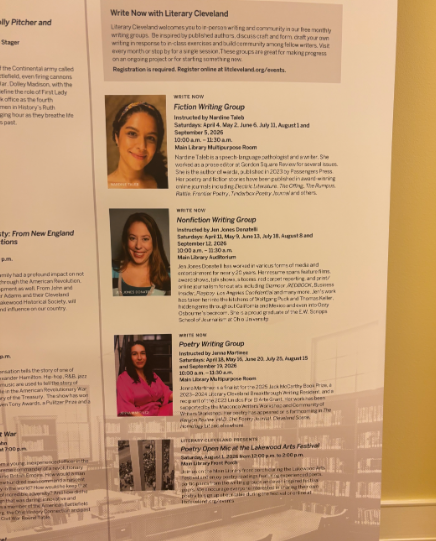
As impactful as these communities and opportunities are, they consistently highlight their openness to writers. For Literary Cleveland, pairing with the library systems is their way of giving back to the community and making it as accessible as possible for all writers. By encouraging teens to get involved in these workshops, hands-on creativity is developed early on.
“These stories help people share a snippet of their lives with others, whether that be about their interests or something that has happened in their past,” says high school student Joey Lautzenhiser. “I think these pieces allow for more of a collective understanding between humans and bring people together more.”
No matter what past one has lived, the various forms of storytelling make it more powerful when it comes from all ages and backgrounds. The partnership between Literary Cleveland and Lakewood Public Library has granted writers with low-pressure experiences that can help remove barriers — especially for teens — when it comes to finding their voices.
With events like the upcoming poetry open mic at the Lakewood Arts Festival and other groups at the library, such as Write NOW’s fiction and poetry workshops, writers in the Cleveland area have numerous opportunities to connect with creativity. By continuing their mission of accessibility, the connection between Literary Cleveland and Lakewood Public Library allows non-fiction to be a gateway to continuing to share words and meaningful stories.