









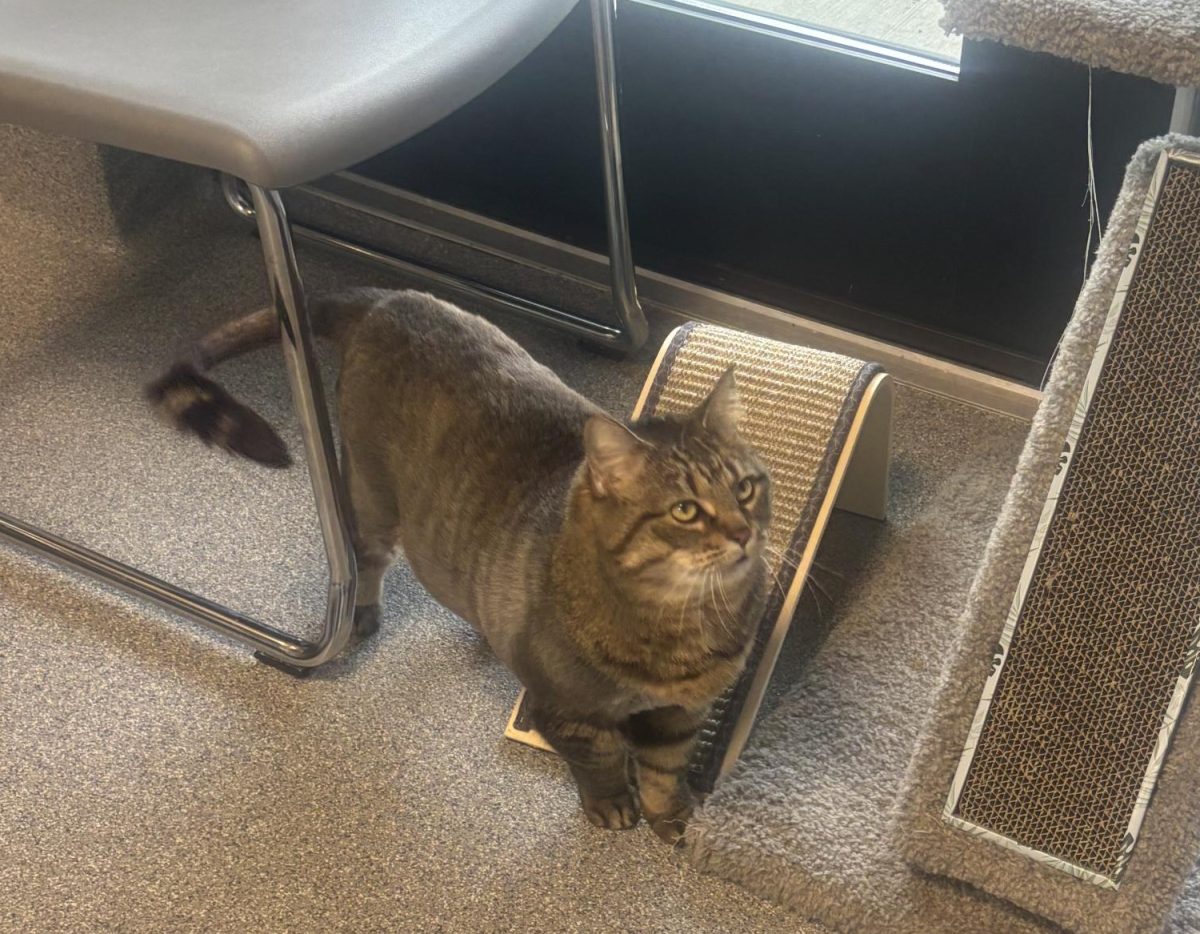
Trap, neuter/spay, return (TNR) is a process that has recently been added to the Lakewood community. This is an attempt to help lessen the feral cat population. However, it goes much deeper than that.
TNR makes it legal for anyone to bait and trap a cat, bring it to an animal hospital to have it neutered or spayed, and then release it back into the wild. By doing this, fewer cats will be produced. When cats reproduce, they can have a large litter and produce more offspring, which will then be feral as well.
The point of TNR is to limit the number of feral cats roaming the streets.
Feral cats are a major issue. Kristin Bower, a Lakewood citizen, is surrounded by feral cats. Bower said, “As I drive through Lakewood, I see feral cats everywhere. Honestly, I can’t really tell if they are feral or house cats, but they are everywhere.”
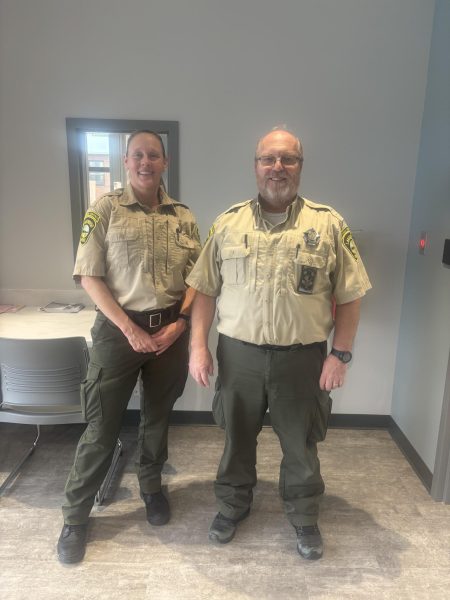
The Lakewood Animal Shelter gets called about feral cats all the time. According to shelter supervisor Gary Crumley, the situation creates a dilemma. “Sadly, when we get a feral cat that enters the shelter, we have to euthanize,” Crumley said. While brutal, it’s necessary. But that is why TNR is such a helpful process.
Jennifer Bartkowski, a Lakewood Animal Shelter officer, emphasizes that TNR is intended exclusively for feral cats. “If they are friendly and come up to you, bring them here to the shelter,” Bartkowski said. “If they are feral, which just means they will run away and not let you anywhere near them, then you should work to TNR them.”
Luckily, it will be clear whether a cat is feral or missing/abandoned. Feral cats are not going to come near you; they will always run away when someone comes near them. But a friendly cat is easy to spot, and if not scared, they will probably come right up to you.
To identify a cat that has already been through the process, look for physical markers. “They will have a little tattoo on their belly, and for cats, they will clip their ears, so they are easy to spot,” Bartkowski said.
Crumley adds, “If a cat is brought to the hospital and they see the TNR stamp, they will just move with the process and work to release it.”
Now, if a cat is neither TNR’d nor feral, the animal shelter is the place to go.
Crumley said, “When we get a cat, we quarantine it for 72 hours. We then post it on our Facebook page, hoping the owner will be able to come and retrieve it.”
The whole point of the animal shelter is to return cats and dogs to their respective homes. And if they are not coming from a home, then the hope is to find them a new one.
Sometimes, the cats that come to the shelter are not returned to their owners. In this case, the adoption process begins. Their quarantine will come to an end, and the next step begins.
“We will send them down to the Cleveland Animal Protective League for a spay/neuter appointment. If they have already been, then they move on and receive all of their vaccinations,” Crumley said. “They are then returned to us, and we put them up for adoption.”
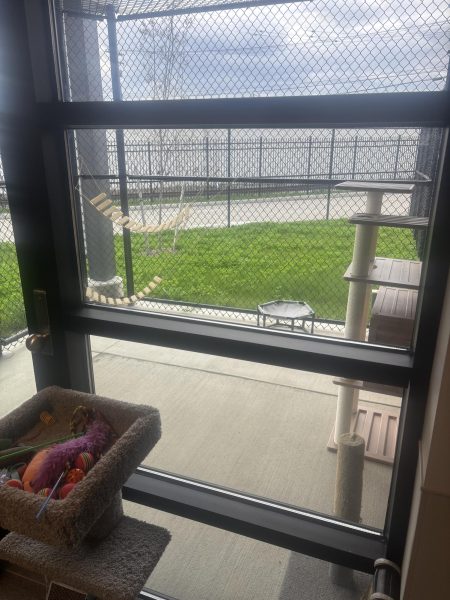
While in the animal shelter, the cats get first-class treatment. They have a clean cage with blankets and toys. They also get many hours to roam around the room and their soon-to-be addition, the “Catio,” which is an outdoor patio for the cats to enjoy.
The only issue with this process is that sometimes homeowners in Lakewood let their cats out—not to abandon them, but just to have outdoor cats. Due to this, before taking any action, maybe give it a few days. If the cat looks skinny or weak, it most likely does not have a home to return to. Then, it is best to step in.
Cats are widespread throughout Lakewood, but with the help of the Lakewood Animal Shelter and the new TNR program, their numbers are expected to decrease soon.