








In the 1990s, H2O “Help to Others” launched the Home Alone Project in partnership with the City of Lakewood Department of Human Services to teach kids how to stay safe when they are home alone. The program’s materials were destroyed in a flood, but in 2019, a grant from the Gray Foundation allowed the initiative to restart in 2020.
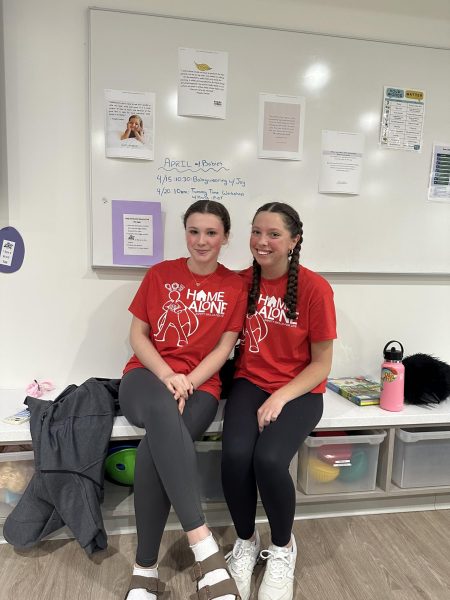
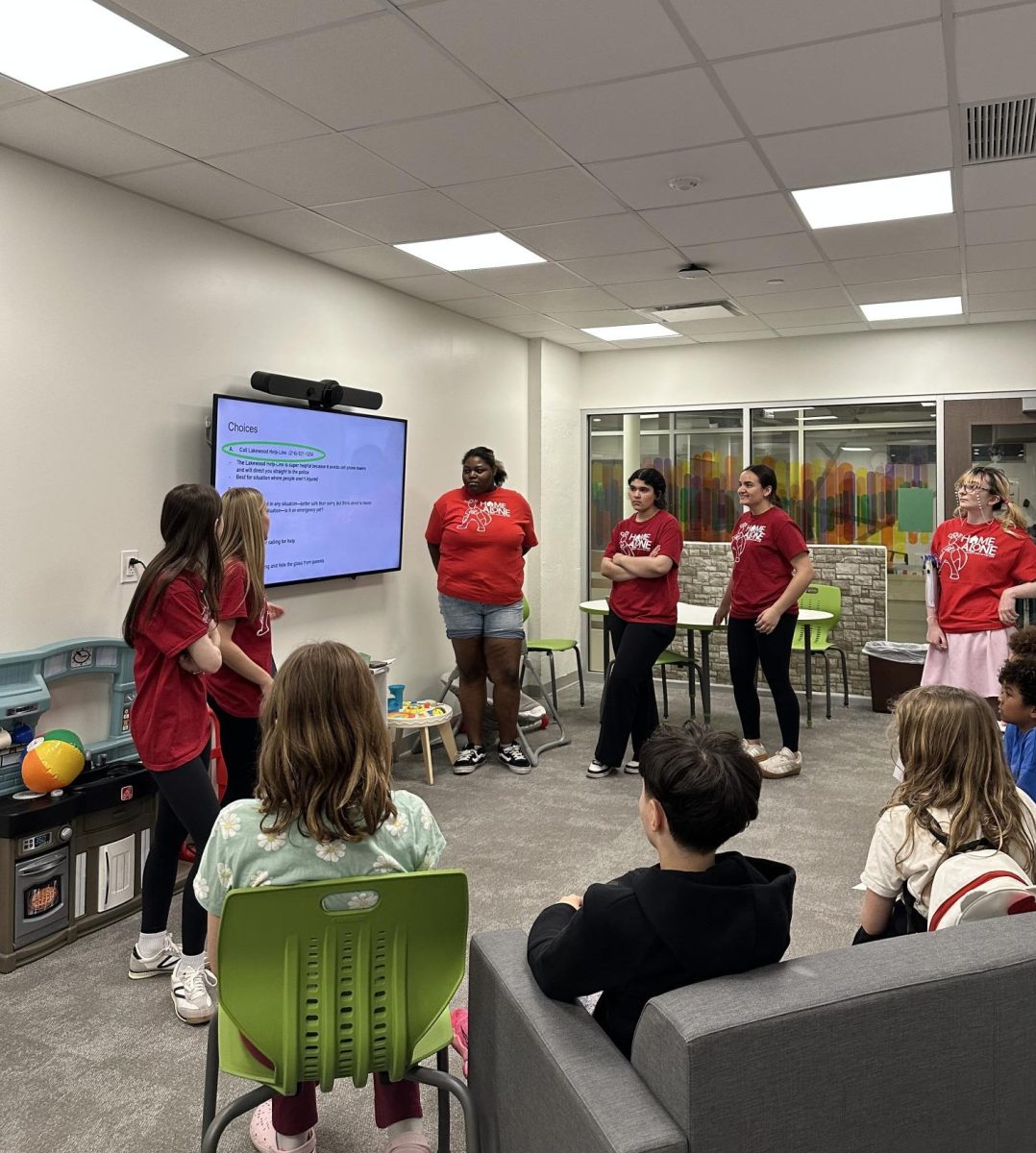
Today, the Home Alone Project is run by Amy Chodzin and Emmie Hutchinson, with Lakewood High School students volunteering to run the safety presentations. The project consists of seven groups covering different safety categories: internet safety, pedestrian and bike safety, stranger awareness, basic first aid, emergency response, sibling conflict, and decision-making. This year, sessions were held on April 16 and April 22.
“In the decision-making group, we teach kids how to stay calm and make a routine so that when they are home alone, they can still stay on track to get their homework and chores done,” said Anna Herb, a member and volunteer of the decision-making group.
Before the sessions, high school volunteers are required to meet with their designated professional for their safety groups. The emergency and first aid groups meet with firefighters before planning the Home Alone sessions to teach children about safety as efficiently as they can. These preparation meetings help ensure that the information being presented to families is accurate, practical, and easy for younger students to understand and apply.
“Home Alone helps families navigate the transition to greater independence. There’s no set age when a child is ready to stay home alone, so the program provides guidance to spark informed family discussions,” Chodzin said.
Participants, ranging from elementary to middle school students, are placed into small groups that rotate through each safety station. The presentations are designed to be engaging and interactive, using slideshows, visuals, and games to keep students engaged, allowing them to better retain the information being taught.
The children attending the Home Alone sessions are given a folder to collect different items to take the information they learned home with them. This year, they received an outline to make a fire escape plan for their house, magnets with emergency numbers, cards with instructions for what to do in an emergency, and a “fortune teller” to practice decision-making and routine.
Parents are also given a first-aid kit to take home after the sessions, which reinforces the lessons learned and encourages families to have conversations about safety at home.
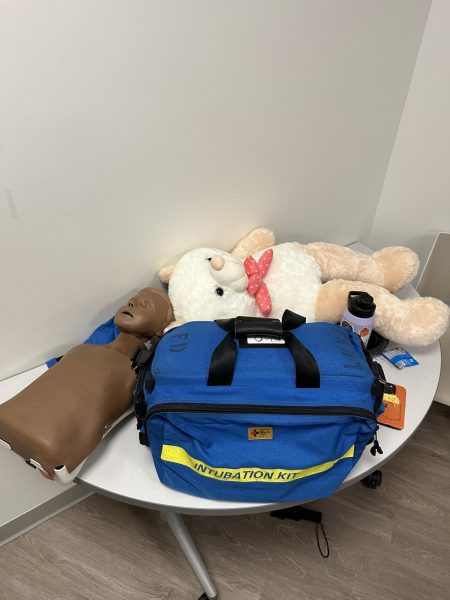
The purpose of the program is to help kids gain more knowledge on what to do when they are home alone. Kids learn about dealing with strangers, how to handle emergencies like fires and broken glass, what a first aid kit is, and how to do CPR. They also learn how to stay calm in stressful situations and make responsible decisions without adult supervision.
While the kids learn from the high school leaders, their parents hear from professionals like law enforcement, fire/EMS, and cybersecurity experts, which creates a beneficial learning experience for the whole family. This approach ensures that both parents and children feel prepared and confident when it comes to staying home alone safely.
As online safety and anxiety become growing concerns among youth, the program has expanded its focus. “We see a need to expand support in these areas by helping families build digital safety skills and giving youth the confidence to handle independence and responsibility,” said Chodzin.
For student volunteers, the program is also a meaningful way to connect with the community.
“It’s important because it brings the community together, and it helps kids feel more comfortable and like they’re not alone,” said Abriana Heinz, the team leader of the Home Alone emergency group.
Herb highlighted how the program helps younger students develop independence. “This program is really good for kids to understand how to regulate themselves when they are home alone,” Herb said.
With hands-on activities, peer-led instruction, and guidance from professionals, the Home Alone Project continues to give students the tools they need to stay safe and confident when home alone.