

















What the May 5 Levy Means for Lakewood City Schools
On May 5, Lakewood voters will head to the polls to decide on a 6.9-mill operating levy.
This is a significant moment for the district — it is the first time Lakewood City Schools has requested additional funding since March 2020. Typically, the district returns to voters every four years, but officials have stretched the current budget to last six.
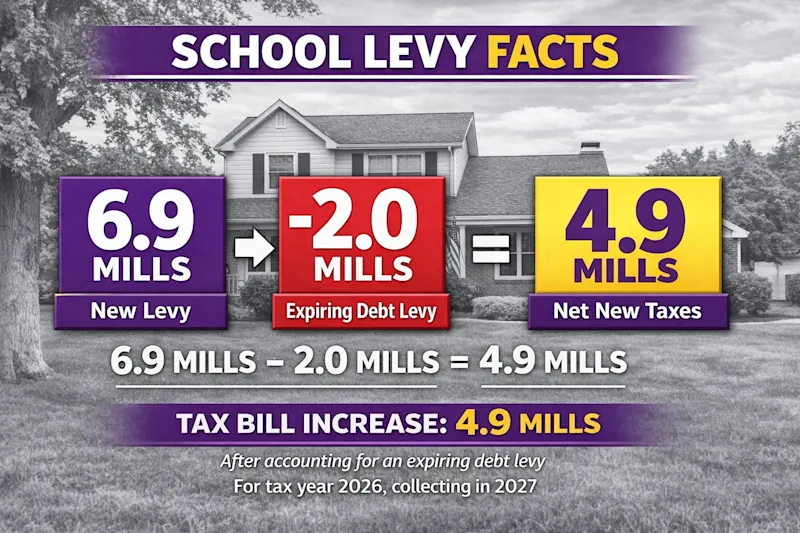
When looking at the ballot, voters will see a request for 6.9 mills, but the actual cost to taxpayers will be lower. Because the district just finished paying off some older bond debts, the taxes tied to those loans are dropping off.
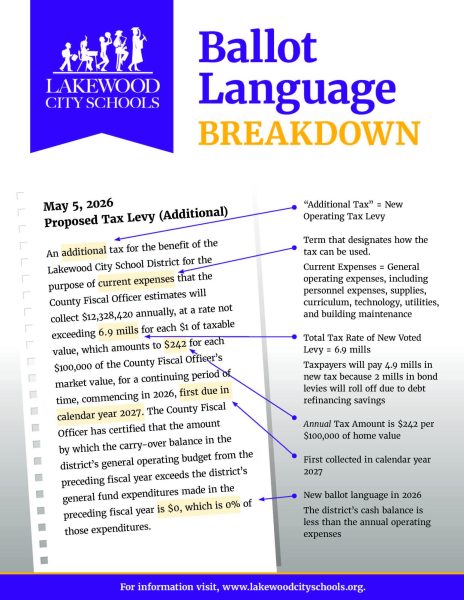
Essentially, a 2.0-mill reduction offsets part of the new request, making the net change on a tax bill an effective 4.9 mills. In effect, we are trading in old debt to directly fund our classrooms.
But why is this funding needed now? It really comes down to how public schools are funded in Ohio. At the April 20 Board of Education meeting, District treasurer Meghan Rohde broke down the numbers, offering an eye-opening explanation of why local levies matter so much.
“We, as a district, actually received the least amount of state funding available to any public school district, which is 10% of the cost of what it costs to educate a student,” Rohde explained.
Because the state covers so little of the bill, Lakewood schools rely heavily on local property taxes just to keep the lights on, pay teachers and avoid major cuts to the classes and extracurricular programs we care about.
For many people in Lakewood, this upcoming vote isn’t just about balancing a budget; it’s about the kind of community we want to live and learn in. Becca Boss, a Lakewood parent, spoke at the same April 20 meeting and summed up why so many families choose to move here in the first place.
“I think that we are at a crossroads,” Boss told the board. “We have an opportunity to continue to choose to be a community that is a destination district where we attract educators with all of the experience that families are seeking and that allows our entire community to thrive.”
Ultimately, the May 5 election will determine the future of the district’s funding and what the daily student experience looks like, placing that decision in the hands of the community.
What the May 5 Levy Means to New Lakewood High School Voters
It’s easy to tune out when adults start debating property taxes. But for those sitting in classrooms at Lakewood High School, the May 5 levy isn’t just local politics — it’s a vote on their day-to-day lives.
This election will help determine whether the district can afford to retain favorite teachers, update technology and hold onto the electives and sports programs that make LHS great.
If the levy fails, those mandated budget cuts won’t just be numbers on a spreadsheet — students will feel them firsthand through crowded classes and fewer extracurricular activities.
This spring is also a major milestone for the Class of 2026. With the majority of the students turning 18, a significant portion of the student body is now eligible to vote. Having a say in an election that directly affects their school is an important opportunity, but it’s also intimidating. Ballot language is often dense and confusing.
LHS senior Greyson Walter captured how many feel right now: “When it is a student’s first time voting, they don’t really understand the material.”

It’s completely normal to feel lost when reading phrases like “operating levy,” but that confusion can’t keep new voters away from the polls. Now is the time to raise your hand in government class, ask your teachers for a breakdown and figure out what those numbers actually mean. For first-time voters, casting a ballot on May 5 isn’t just checking a box — it’s stepping up to protect our school’s future.
For more information on the May 5 levy, visit https://www.lakewoodcityschools.org/find-it-fast-links/2026-levy.