







At Lakewood High School, the MEMS program is doing more than teaching students about technology; it is building a direct pathway from the classroom to real careers. Now, with a newly awarded $20,000 grant, that pathway is set to expand even further.
The funding, provided through Lorain County Community College, is aimed at expanding work-based learning opportunities and helping students gain hands-on experience in advanced manufacturing. According to MEMS teacher Kyle White, the timing could not be better.
“It means that we can do a lot of the things that up until this point we have been kind of hopes and dreams. Unfortunately, the financial piece is a limiting factor in a lot of not just school settings, but in businesses and things like that. So we have a set budget that allows us to function and get by, but having extra funds with this grant will allow us to just go above and beyond,” said White.
MEMS, which stands for microelectromechanical systems, may sound complicated, but it’s something students already interact with daily.
“If you think about the technology we use every day, the cell phones in our pockets, the sensors in our cars, pacemakers that keep people alive, all of those are microelectromechanical systems,” said White.
The program focuses on preparing students for careers right after graduation by giving them hands-on skills and industry certifications.
“Our goal is to get students skills and industry certifications before they graduate, that will get them jobs right away, right out of high school without any debt at all,” said White.
The $20,000 grant will be used in several key ways, starting with transportation. “Any interview you’re ever in, they’re going to ask you how you’re going to get to work and things like that … So, making sure students are able to get to these opportunities, we will have money kind of allocated,” said White.
The funding will help cover bus passes, gas money and rideshare services so students can access internships and job opportunities.
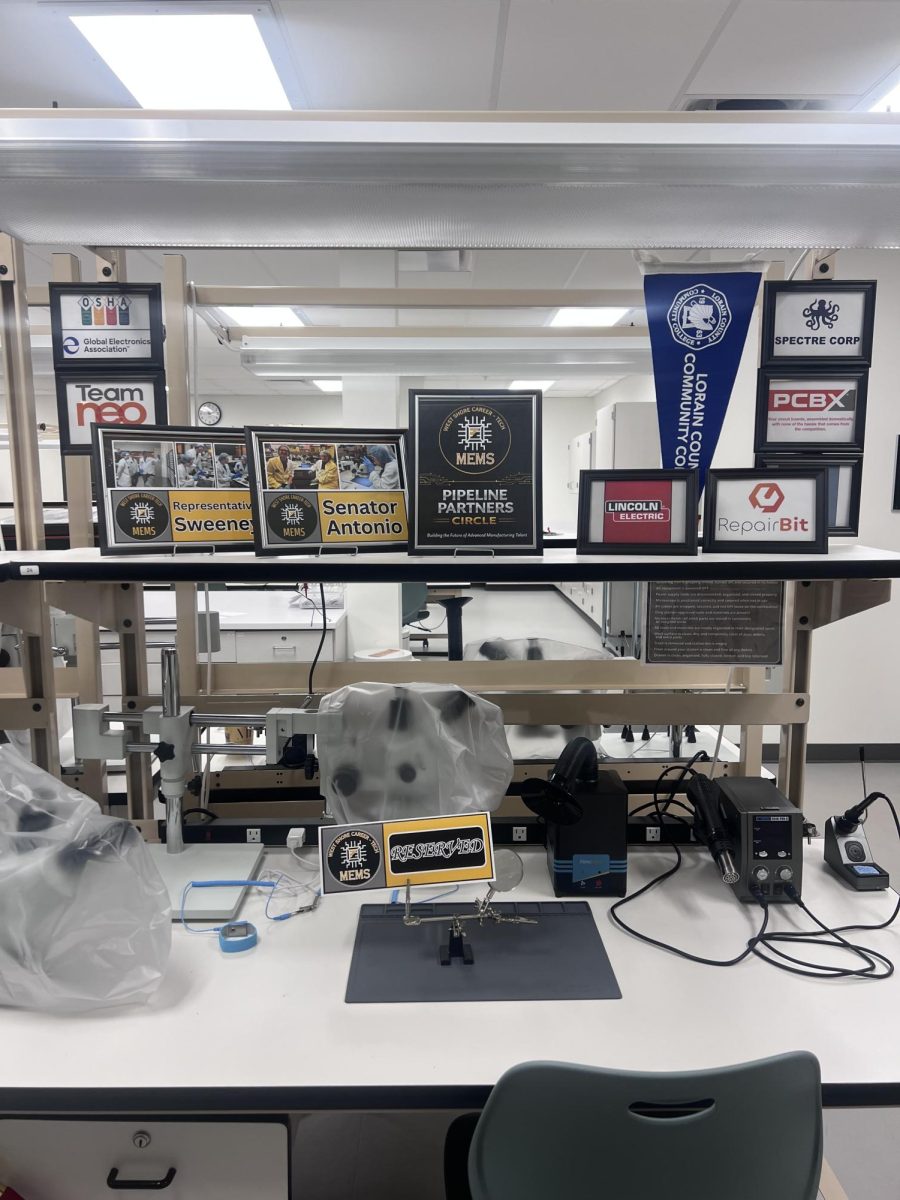
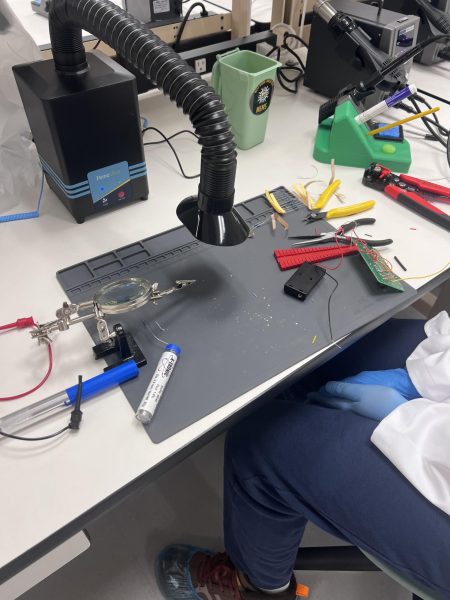
Another major portion of the grant will go toward upgrading equipment in the lab. “It’ll allow us to buy new equipment… [and] make sure we are keeping things as top of the line and as close to the real world as we possibly can,” said White.
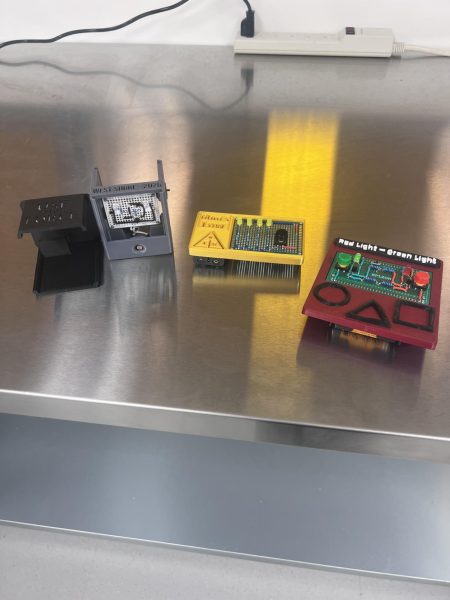
One example is a laser machine that can burn traces into circuit boards, allowing students to fully design and create their own electronics from start to finish.
“We can design a circuit board from scratch and produce it every step of the way over there. So, like I said before, it will allow us to do things we’ve kind of always wanted to do that, like would make sense to be able to do, but where we’ve been limited by budget and couldn’t do, we can now do,” said White.
White compared the grant process to a final draft. “It would be like the same analogy of taking your final copy that you just typed and then getting it into the book. So it is just going to allow us to do that much more and go that much deeper into all this advanced manufacturing process,” said White.
The grant will also introduce a classroom incentive system called Clean Room Cash. “Which essentially pays people money and they could buy … anything from like a candy bar all the way up through like MEMS apparel or practice projects from Amazon, things like that,” said White.
Even before receiving the grant, the program has seen success. “We have multiple students this week that are already having interviews … So if all goes to plan, we will have students working in the industry getting paid real money, getting real-life experience with the skills we’re doing here before they graduate high school,” said White.
White is confident in the program’s outcome. ”And I am quite confident when I say that any student that successfully, you know, makes it through everything in our program, gets all the certifications that our program offers, I would say 100% sure they will get a job right out of high school,” said White.
Those jobs can come with strong starting salaries. “The two certifications will get students will pay probably right around $50,000 a year, again, zero debt and a MEMS bachelor’s degree will pay $90,000 plus a year right out of high school,” said White.
This program also ensures that students will have flexible options for their future. “It’s a choose-your-own-adventure. If you want to graduate high school and go to work right away, you can. If you want to graduate high school, go to work right away, and then maybe sprinkle a little more training in on the side with like college and that kind of thing, you can. It’s really up to you,” said White.
The program has also gained attention beyond the school. State leaders such as Bride Rose Sweeney and Nickie Antonio have visited the lab to see it in action. During those visits, students lead demonstrations of their work.
“When we have guests, we kind of run the same plan every time, where those visitors, when they come in here they are run through an experience that is led by students. The coolest part of this is, like, that’s part of the success these kids are getting already is that they’re not only talking to elected officials, they’re thriving in those conversations,” said White.
For White, student confidence is just as important as technical skills. “The hard part is making sure their experience while they’re here is meaningful, and that they hear the things you’re telling them and I think that’s really the part that the students in this program have done, really excelled at making sure that not only are we seen, but we’re heard in a way that’s memorable,” said White.
Student Ben Bernard joined the program because of the opportunities that go beyond a typical classroom experience. “I decided to join the MEMS program to get technical skills in repairing circuits and troubleshooting,” said Bernad.
His favorite part has been exploring career pathways. “My favorite part has to be touring like companies and colleges and getting out there and like exploring my future opportunities,” said Bernard.
He also said seeing state leaders visit the lab was meaningful. “Oh, amazing. I mostly feel recognized. It’s such a new program, people like touring our lab. It is so profound, because we’re getting out there and recognized for this work,” said Bernard.
Liam Jantz said he was drawn to MEMS because it offered something different from traditional classes. “It seemed new and something more than just taking reading and like learning lessons,” said Jantz.
He also believes the grant will enhance learning opportunities. I feel like it would have lots of more equipment that we can experience more in the real world,” said Jantz.
Looking ahead, White said the grant brings relief and opportunity. “It’s such a weight off my shoulders to not have to worry, like, Okay, if I buy those, then I’m gonna have to limit these over here,” said White.
While the full impact will take time to unfold, one thing is clear: the MEMS program at Lakewood High School is growing, and this grant is opening the door to even more real-world opportunities for students.