
















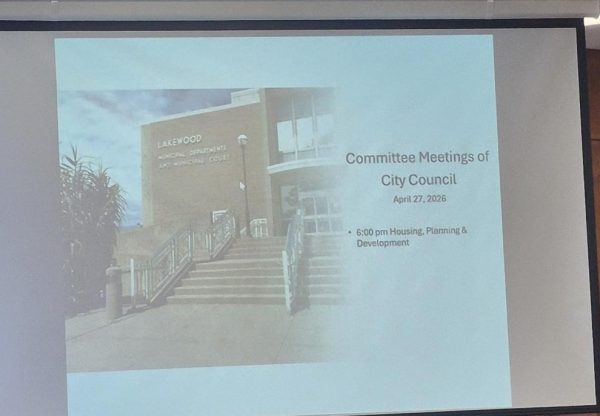
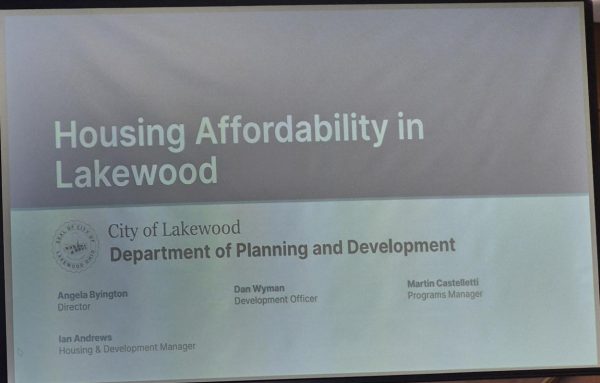
For generations, housing prices in Lakewood have steadily increased, creating ongoing concerns about affordability. At the April 27, 2026, City Council meeting, the planning committee presented a slideshow outlining key data and trends. Following the presentation, council members asked questions to clarify the depth of the issue and better understand its long-term impact.
Some meetings conclude after a single discussion, but others—like this one—require continued conversation. Because housing affordability is a long-standing issue, the meeting ended after public questions, with plans to revisit the topic at a later date.
The issue affects a wide range of residents, from longtime homeowners to families moving to Lakewood for its educational opportunities and strong community.
Balancing those needs is not simple. Some residents believe priority should be given to current homeowners, especially seniors, to help them remain in their homes and make necessary upgrades. Others see the importance of welcoming new residents to maintain the city’s growth.
“How can we not only keep our seniors here and try to maintain affordability for them, but also maintain affordability for families?” said Ian Andrews, housing development manager for the City of Lakewood Planning Department.
With the current housing market, affordability remains a major challenge—especially for younger residents. Many recent high school graduates struggle to afford apartments, often forcing them to stay at home longer or move to other cities or states for independence.
For some, moving out independently doesn’t even begin until their mid-20s.
“The average homeowner now is 40 years old when they buy their first house. About ten years ago, it was like 25 years old,” said Allison Urbanek, a community member with Barton Communities, which provides affordable housing for older adults.
This shift highlights the growing gap between generations and raises concerns about future accessibility to homeownership. Discussions at City Council meetings provide an opportunity to explore solutions and work toward a balance that supports as many residents as possible.
Housing conditions across Lakewood vary widely, from multimillion-dollar homes to properties in need of significant repairs. While housing costs are typically recommended to stay below 30% of a household’s gross income, some estimates suggest residents are paying significantly more, placing strain on individuals and families, especially those just starting out.
“It’s mostly that there are a lot of outside forces, like federal rules that, like people don’t qualify or aren’t able to take advantage of those… bring the affordable housing issue back to the forefront,” said Bryan Evans, City Council chair member.
Although programs exist to address affordability, they can be difficult to navigate and require time to access. As a result, many residents continue to face challenges while trying to build a future in Lakewood.
City officials plan to continue the discussion at a future meeting, encouraging community members to stay involved and contribute to ongoing efforts to address housing affordability.