








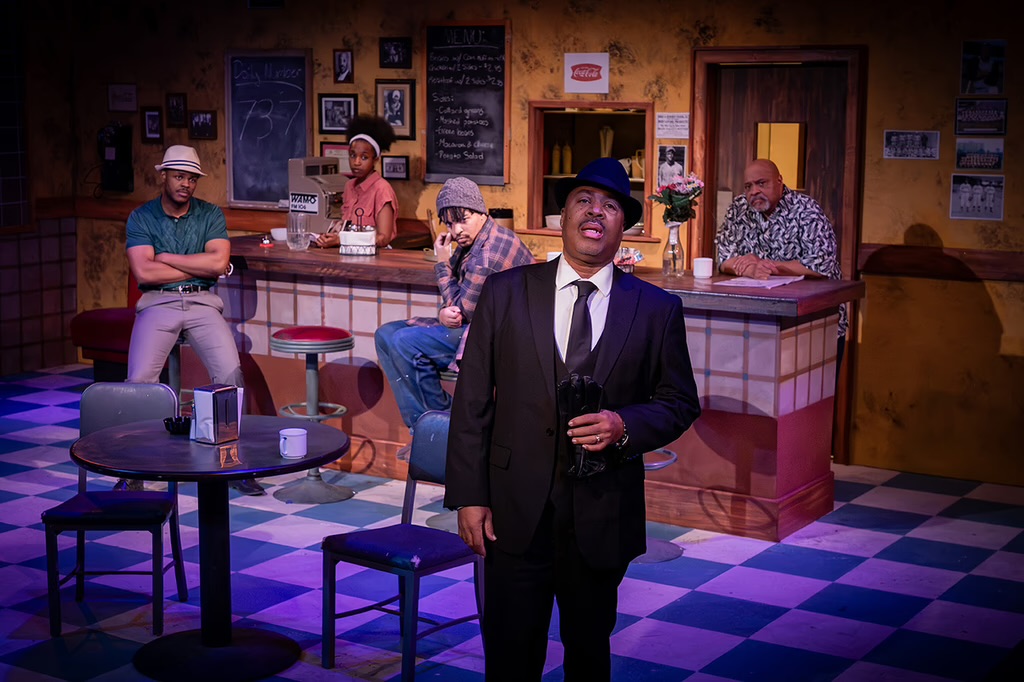
Through conversations at a neighborhood diner, Two Trains Running highlights the challenges and aspirations of Black Americans during a time of social and political change in the 1960s.
Set during the height of the civil rights movement, Two Trains Running reflects a time when African American communities across the country were confronting systemic inequalities while seeking social and economic justice and progress. Playwright August Wilson helps capture these tensions through his characters, the personal struggles shown on stage and the historical moment that underlies the diner’s offerings.
“August Wilson was a person of the people when he wrote the piece,” said Jimmie Woody, director of the production. “In Africa, they call it a griot, keeping the history of the people… There’s a character named Aunt Esther—it’s kind of like August Wilson’s nudge-nudge. When you say Aunt Esther, really, he wants you to think ‘ancestor,’ a character that’s more than 300 years old, because it’s taken from the exact moment when African Americans were brought to America.”
According to Director Jimmie Woody, Wilson’s writing takes on a deeper historical meaning when the play is performed. Each word and its phrasing have historical meanings. A story that was never told.
“There’s always going to be the rich, poor, and middle class,” Woody said. “Some of the things that these characters are going through are things that people are going through in today’s time, like economic development, public domain—it still happens today.”
Woody said this production will offer a unique perspective compared to traditional stagings. “This production will be a younger version of Two Trains Running, and I think that makes it interesting,” he said. “I think anybody from any ethnicity can step in and understand the issues that are going on… and they can glean something out of it that makes them look at their own lives in a very rich and understanding way.”
Kegan Sulamoyo, who plays Hambone, approaches their character with a specific intention. Portraying Hambone requires deeper thoughts; it’s more than just repeating lines—it’s understanding the emotions behind them.
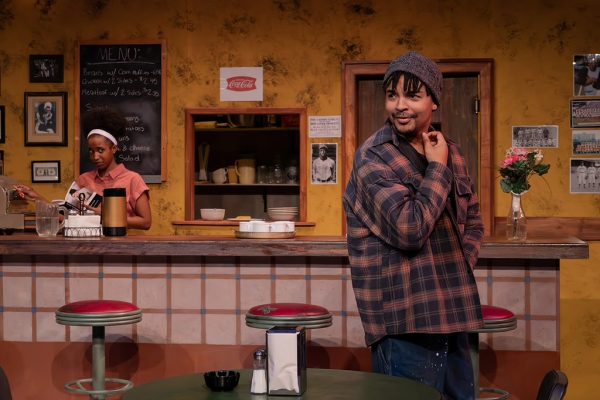
“Even though the character’s words are repetitive, and he says the same things over and over, it’s trying to find the meaning and also the intention behind every time he says those words, what his actions are portraying,” Sulamoyo said.
In the play, Hambone famously demands a ham he was promised for work completed years prior.
“Demanding his ham [is] a metaphor for the way how African Americans have their demand for reparations, and people look at him as if he’s crazy, still asking it for after 10 years,” Sulamoyo said. “The same way how African Americans are looked upon… after 200 years of asking for reparations and demanding reparations.”
Hambone represents more than just comic relief. Sulamoyo hopes audiences can see how Hambone embodies a deeper message about injustice and contemporary struggles. “I’m hoping they leave the show with an understanding that Hambone’s struggles reflect many of ours,” he said.
Perry Reed, who plays the numbers runner Wolf, focuses on the character’s dual nature.
“I wanted to play everything honestly, but it’s a beautiful thing, because he’s a real person,” Reed said. “Showing those lighter moments here, and kind of showing some of those heavier moments there, I try to show both sides.”
Reed’s balance of Wolf’s lifestyle and seriousness helps bring the character to life on stage. Wolf’s environment both restricts and influences him.
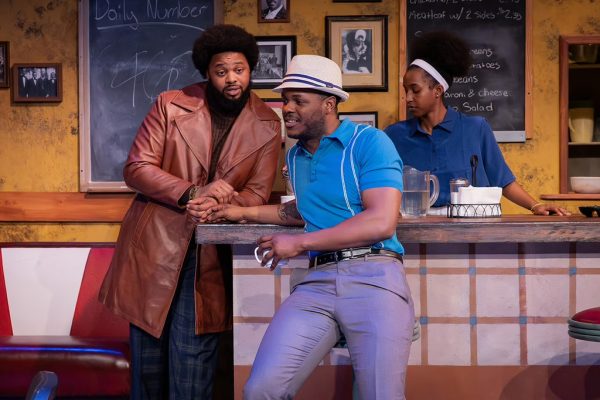
“He is powerful in the way that if he is in the situation, like where he fundraises to get a guy out of jail, he knows enough people to kind of rally and kind of make that happen,” Reed said. “He is also powerless; he could be a lot more than what he actually is.”
While Wolf may initially seem preoccupied with money, his character and heart emerge throughout the story, detailing the complex nature of humans in obstacle-ridden environments.
“It’s 400 years later, and people still want their ham,” Reed said. “I don’t think at any point Black people have really necessarily gotten a fair shake. That’s like one of the main messages of the play: people just kind of want their fair share. Some people end up kind of getting it, and some people kind of don’t. They just want their ham.”
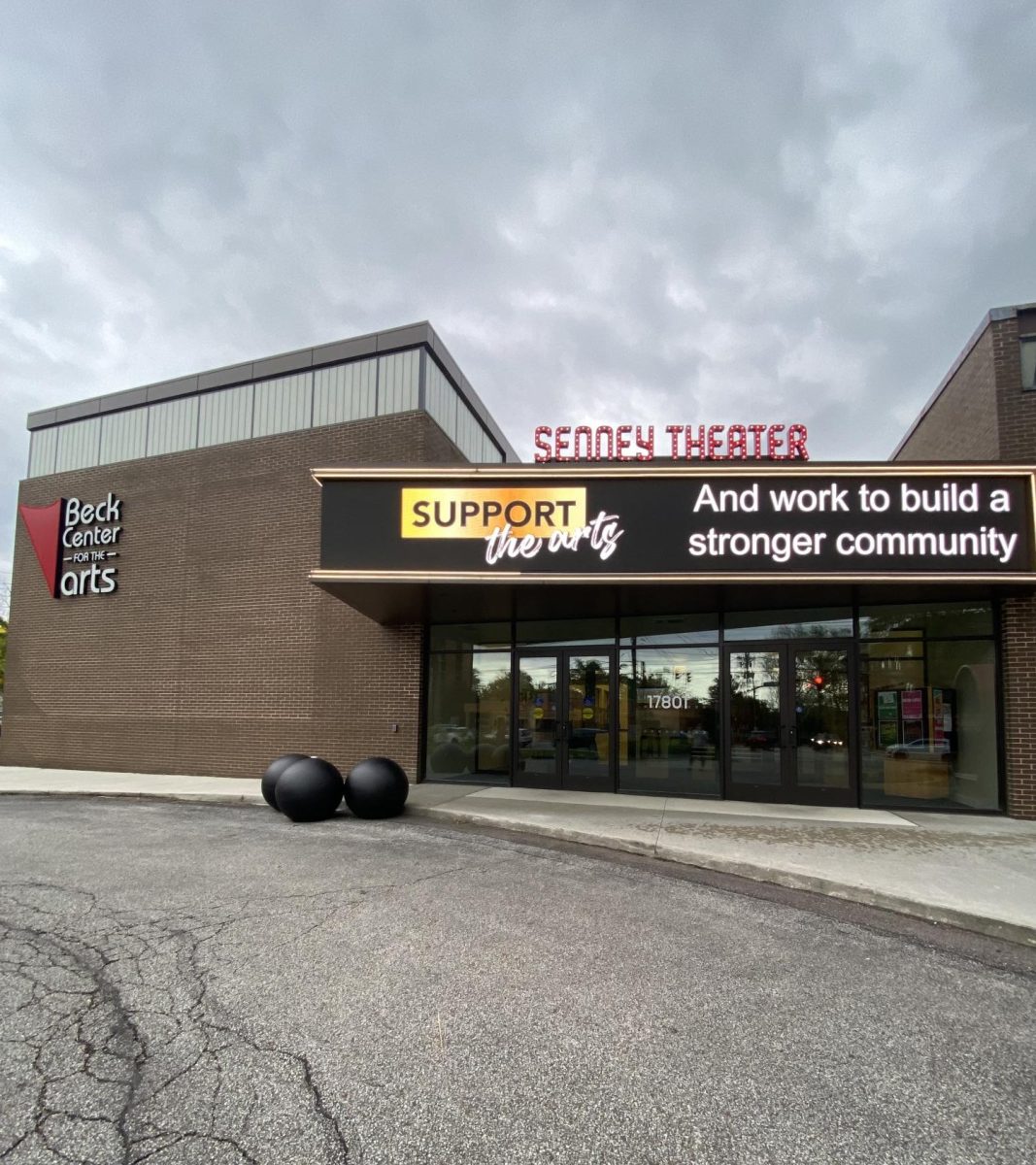
Two Trains Running is being performed at the Beck Center for the Arts in the studio theater. The show runs from Feb 27 to March 29, 2026. Tickets are available through the Beck Center box office and online on their website.

![Wendla and Melchior find one another. Picture Credit: [ Yevhen Gulenko ]](https://lakewoodtimes.net/wp-content/uploads/2026/02/IMG_2062.jpeg)